
Learning about gamification and the ways in which games-based learning can be used in the classroom, has shaken my own perceptions about games and indeed about what should be taught in schools.
In my own ESL lessons in the past, I have regularly employed gamification tactics, allotting the best students rewards and encouraging teamwork. I have also used games regularly, both physical ones, such as snakes and ladders with younger students, and in recent months, online ones, such as Skribbl. I hadn’t ever considered however, the manner in which video games can be used to foster empathy.
I’ve never been a ‘video games’ kind of person, and I’m rather ashamed to admit that in general I’ve dismissed games as a waste of time – why don’t you just read a book instead?? But this week I played two games which have altered my perception of Video Games and of their role within our education system. The games in question are SPENT and Syrian Journey.
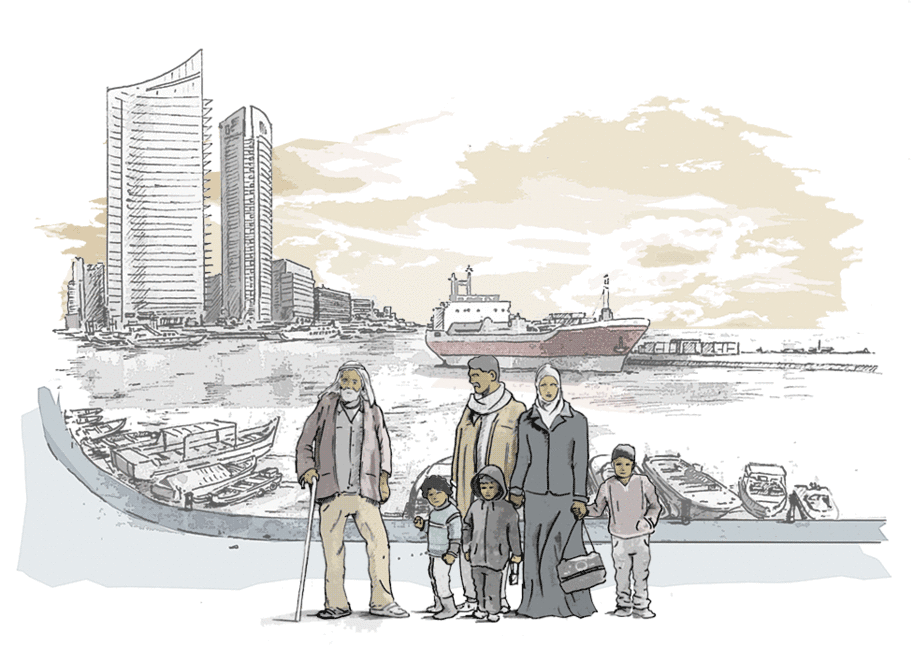
In Syrian Journey, the player assumes the role of a refugee fleeing the conflict zone. The BBC game is based on the real experiences of those who have made the journey from Syria to Europe. You are confronted with a series of decisions on how to spend your money, whether to take the risky water borne routes, or the safer, slower, land routes. Having played the game a few times, I have yet to succeed in making the journey.
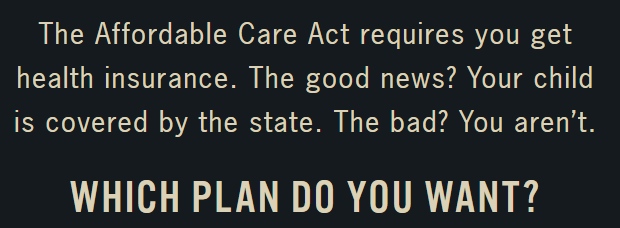
SPENT meanwhile takes us to America, where, as the game states, at least 14 million Americans are unemployed. On a similar basis to the Syrian Journey, SPENT asks the player to make economic decisions. The goal is to last the whole month on a low-income temp job. Not only did this game offer the player heart-breaking decisions – can you afford to pay the petrol to drive to a family members funeral? But it’s also highly informative in explaining to players the manner in which poor health intersects intrinsically with poverty. This game also encourages you to donate to those who are struggling.
So many of the divisions in the world today come from ignorance and misunderstanding. How many of those who complain about refugees coming to the UK ‘for a life of luxury’ have ever met a refugee? How many of those who criticise the weight gain of those living in poverty have had to survive (and therefore meal plan) on less than £5 a day? A couple of years ago when I was working as a youth worker, the teenagers I were working with told me that ‘only drug addicts use food banks’. The next week I took them to a foodbank. They all shut up sharply when the first child came in to collect his lunch. Trips to foodbanks aren’t always possible or appropriate, especially as we don’t want to encourage ‘poverty porn’, but games like SPENT and Syrian Journey, if used in our schools, could provide a truly valuable kind of an education. An education in empathy.
I thought I had mastered the art of employing games in teaching, but it turns out, I really had no idea that they could be used for a very different kind of learning, one equally, if not more important than, traditional education.
 Rosie Roams
I really enjoyed reading your blog Rosie, and it also gave me a lot of insight into SPENT and Syrian Journey, which I had never heard of until reading your blog. I agree with you that games like this give players the chance to become more informed about what refugees have to experience, and this in turn can lead to a lesson of empathy. Do you also think that VR could be a pathway for this kind of news-based interactive experience? I think VR could be a great tool for this, and also experiencing different cultures and lifestyles.
LikeLike
Hi Emily! Yes I think you are completely right about the manner in which VR could further this interactive experience – I’ve actually just been reading up on the way in which ClassVR have been using footage of life in a refugee camp in their VR anti-bullying workshops!
LikeLike
I really like the example of the foodbank, Rosie! It’s so true that a lot of times, we don’t know what the real situation is and might even resort to stereotypes just because we haven’t had a first hand experience. I think this happens because it takes a lot of effort to learn about things outside one’s periphery. I was thinking that maybe games like these could be a great way of dispelling people’s misconceptions around gender issues and so on. But do you think they might end up being exploitative? In that sense, that it might take on the form of something like poverty porn? Because I feel that while the users might empathize with the situation during the game, once it’s over they might feel disconnected from it? I’m not sure, what do you think?
LikeLiked by 1 person
Hi Linda,
I think your point on poverty porn is very interesting. On the one hand I think you are correct – people will play these games for fun and still remain disconnected from the realities of the situation.
On the other hand, I wonder if these types of games combined with VR could actually reduce the impact of poverty porn – for example, Westerners on gap years would no longer feel the need to travel half way around the world to see poverty for themselves, they could have a ‘finding themself’ experience of realising how lucky they are to have running drinking water, from the comfort of their own homes!! Perhaps games, if designed by the right people, could allow marginalised people to take control of their narratives and show their story how they want to….
I’m so glad you brought this up, as I hadn’t even considered it!!
LikeLike
I gave these games a go after reading your blog – I played the Syrian Journey 3x – 2 of which were a very quick fail, and on the last time, it ended on a “maybe” you got there. But to “succeed” that time, you had to let others potentially die so you could live, truly heartbreaking stories to read through.
I had wondered, similar to Linda though, whether these types of games would cause people to create a numbness and blasé towards what the games are trying to educate about – but I think like you’ve mentioned, dependant on their design and the manner to how they are brought into a class – could open up meaningful discussions, which are likely otherwise avoided. Definitely an interesting topic!
LikeLike